Not Sure If You’re a Candidate for Dental Implants? Here’s How to Know If You Qualify
If you’re considering a dental implant, one of the first questions that naturally comes to your mind is:
“Am I actually suitable for this treatment?”
Dental implants are one of the most reliable long-term solutions for missing teeth. However, not every patient is automatically an ideal candidate. Suitability depends on several clinical and lifestyle factors that must be carefully assessed first.
The good news is that many concerns people worry about, such as age or minor bone loss, are often manageable with the right planning.
Let’s look at what determines whether dental implants are right for you.
What Makes Someone a Good Candidate for Dental Implants?
A suitable candidate typically has:
- One or more missing teeth
- Healthy gums
- Adequate jawbone support
- Good general health
- Commitment to maintaining oral hygiene
Each of these factors plays an important role in long-term implant success.
Dental implants rely on the bone to integrate and form a stable foundation. This biological process, known as osseointegration, requires healthy tissue and a stable oral environment.
If you’d like to understand how these stages fit into the overall implant process, our guide on what to expect during your dental implant journey explains each step from assessment to final crown placement.
Bone Density: Is There Enough Support?
One of the most common concerns patients have is bone density.
Dental implants require adequate jawbone thickness and height for proper support. After a tooth is lost, the surrounding bone gradually begins to shrink. The longer a tooth has been missing, the more bone loss may occur.
However, reduced bone volume does not automatically rule out treatment.
Modern dentistry offers solutions such as:
- Bone grafting
- Sinus lift procedures
- Guided implant placement with digital planning
These techniques help rebuild or optimise available bone so implants can still be placed safely. A clinical exam and 3D imaging will determine whether additional preparation is needed.
Gum Health: Why It Matters
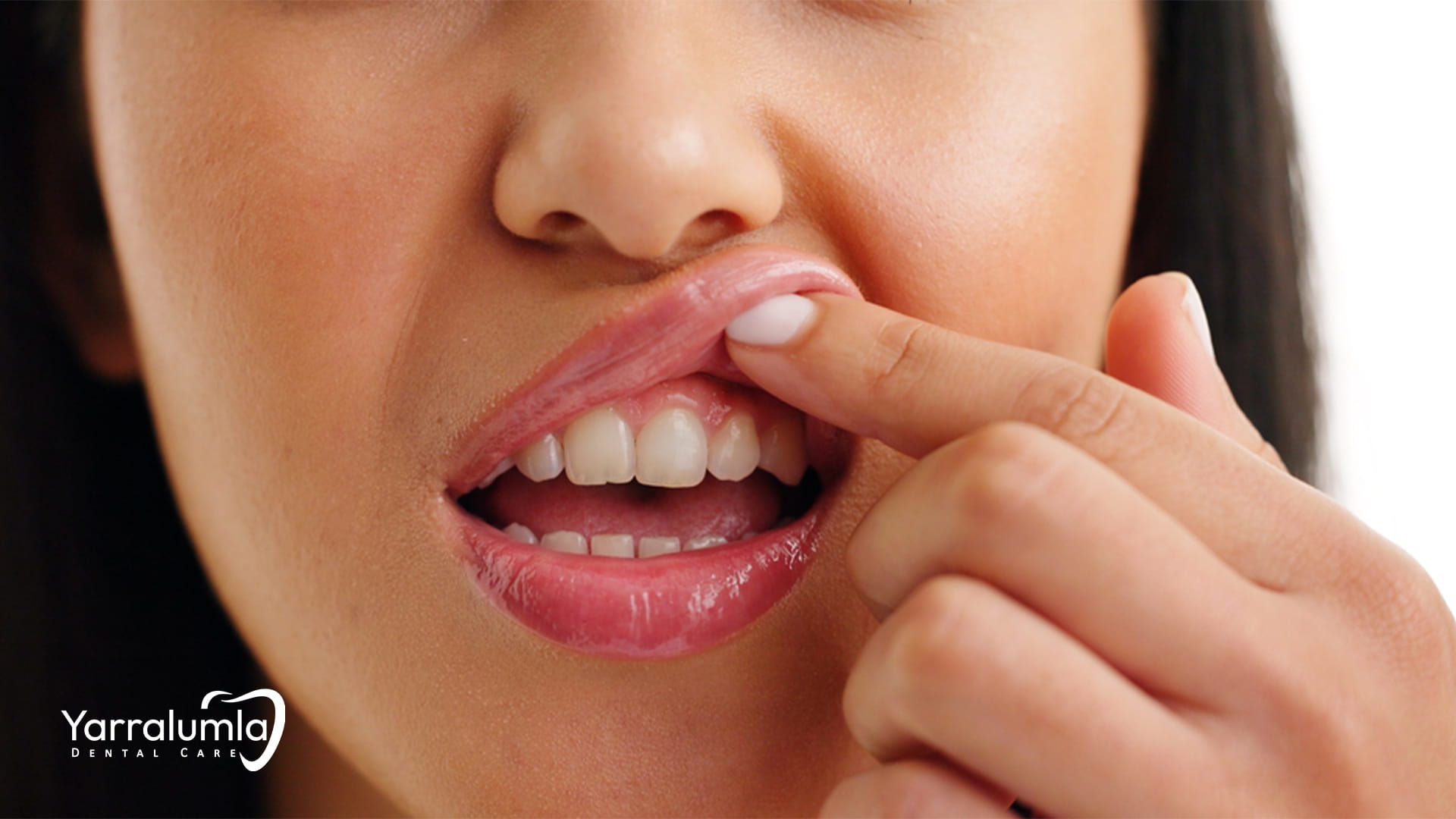
Healthy gums are equally important.
If gum disease (periodontitis) is present, it must be treated before implant placement. Active gum infection can compromise healing and affect long-term stability. Patients with well-managed gum health generally respond very well to implant treatment. In fact, many patients restore both function and health by addressing gum issues before proceeding.
This is why a comprehensive assessment always comes first.
Age Myths: Are You Too Young or Too Old?
Age is one of the biggest misconceptions surrounding dental implants.
“Am I too old?”
There is no upper age limit for dental implants. Many patients in their 60s, 70s, and even 80s successfully receive implants. What matters more is overall health, bone quality, and healing ability – not age alone.
“Am I too young?”
Dental implants are generally not recommended until jaw growth is complete, typically in the late teenage years or early adulthood. Placing implants before full development can affect alignment as the jaw continues to grow.
Your dentist will assess growth and suitability carefully before recommending treatment.
Smokers and Dental Implants
Smoking does increase certain risks.
Tobacco can:
- Reduce blood flow
- Slow healing
- Increase risk of infection.
- Raise the likelihood of implant failure
That said, being a smoker does not always mean implants are impossible. Many patients still proceed successfully but may require closer monitoring and a commitment to improved oral hygiene.
Reducing or stopping smoking significantly improves outcomes and healing.
Medical Conditions: When Extra Care Is Needed
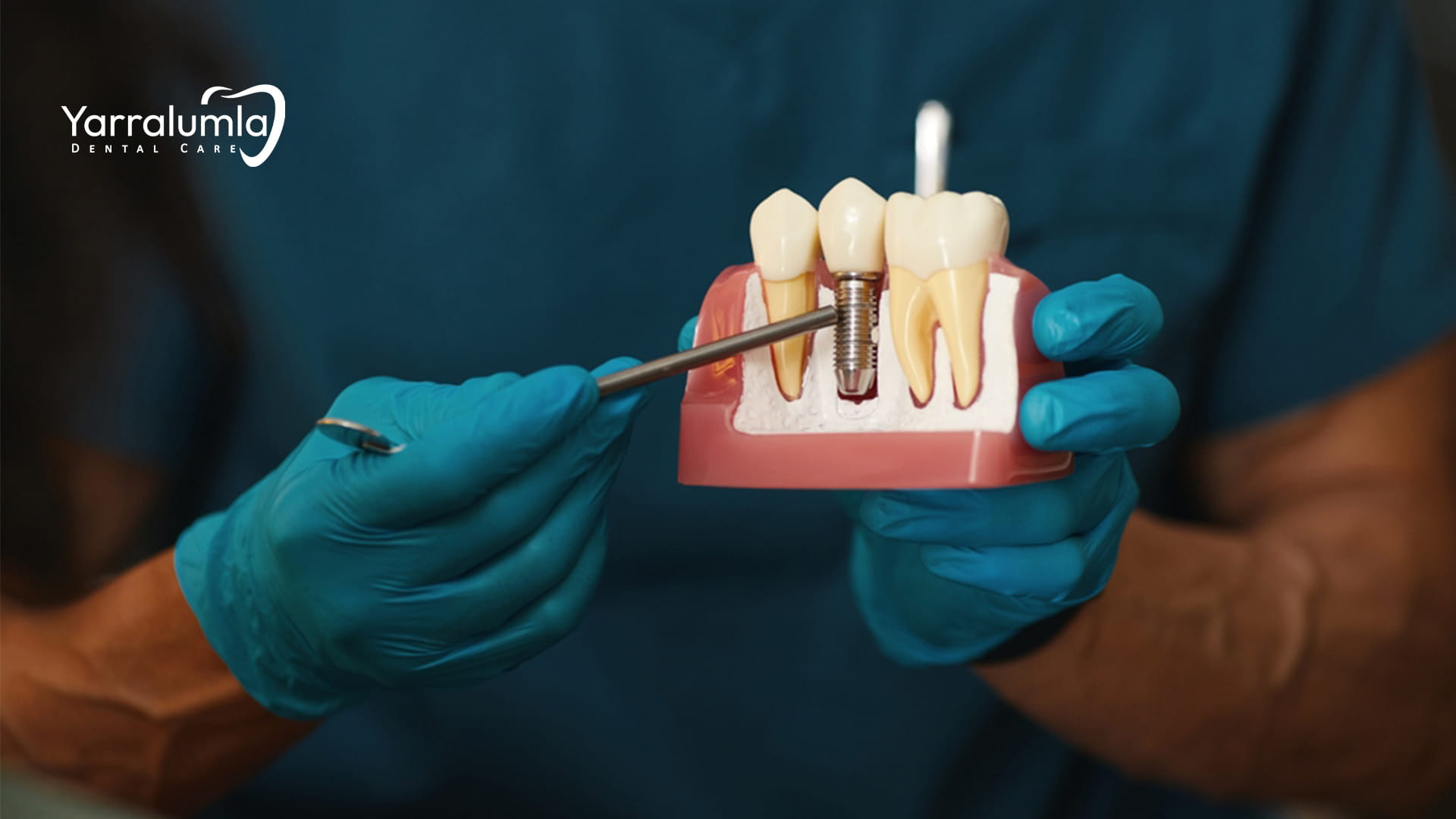
Certain medical conditions require careful evaluation before proceeding.
These may include:
- Uncontrolled diabetes
- Autoimmune conditions
- Recent radiation therapy to the jaw area
- Severe osteoporosis
- Use of certain medications that affect bone healing
Controlled diabetes, for example, may not prevent implant placement. However, it does require careful monitoring and coordination with medical professionals.
Every patient is assessed individually. Suitability is rarely determined by one factor alone.
Who Should Not Get Dental Implants?
While implants are appropriate for many patients, there are circumstances where treatment may not be recommended.
High Risk Factors May Include:
- Poor oral hygiene that cannot be maintained
- Untreated advanced gum disease
- Heavy smoking with unwillingness to modify habits
- Severe uncontrolled medical conditions
- Inadequate bone that cannot be restored with grafting
In such cases, alternative options may provide safer and more predictable outcomes.
Alternative Solutions to Consider
If implants are not suitable, other treatments can still restore your smile and function.
These may include:
- Dental bridges
- Removable partial dentures
- Full dentures
- Implant-supported dentures (when fewer implants are viable)
Each option has its benefits, costs, and maintenance considerations. A personalised consultation ensures you understand what aligns best with your oral health goals.
The Importance of Proper Assessment
Many patients assume they are not suitable for dental implants without ever having a professional evaluation.
In reality, modern dentistry offers far more flexibility than it did a decade ago. What was once considered a limitation may now be treatable with the right preparation and planning.
Suitability can only be confirmed after:
- A clinical examination
- Digital imaging
- Medical history review
- Discussion of your expectations and concerns
This careful assessment ensures long-term success rather than rushed treatment.
Making the Right Decision With Confidence
Choosing dental implants is not just about replacing a missing tooth. It’s about restoring function, protecting remaining teeth, and improving comfort long term. If you’re unsure about your eligibility, the best next step is simply a conversation.
Some patients discover they are excellent candidates. Others learn that a small preparatory treatment can make implants possible. And in a few cases, alternative options may be more appropriate.
The key is personalised advice based on your individual oral health and not assumptions.
If you would like to explore whether dental implants are the right option for you or someone close to you, our team is here to provide clarity, honest guidance, and a treatment plan built around your needs.
Frequently Asked Questions
How do I know if I have enough bone for a dental implant?

A clinical exam and 3D dental scan are required to assess bone thickness and density. Even if bone loss is present, procedures such as bone grafting may make implants possible.
Can smokers get dental implants?
Yes, but smoking increases the risk of complications and slower healing. Reducing or quitting smoking significantly improves implant success rates.
Are dental implants safe for older adults?
Yes. There is no upper age limit for dental implants. Overall health and bone quality are more important than age alone.
Can I get dental implants if I have diabetes?
Patients with well-controlled diabetes may still be suitable. Uncontrolled diabetes may increase healing risks and requires careful evaluation.
What disqualifies someone from getting dental implants?
Untreated gum disease, inadequate bone without grafting options, uncontrolled medical conditions, or inability to maintain oral hygiene may affect suitability.
Are there alternatives if I am not suitable for dental implants?
Yes. Dental bridges, removable dentures, or implant-supported dentures may be recommended based on your individual needs.
Are dental implants safe for older adults?
Absolutely. There is no upper age limit for dental implant treatment We focus on your overall systemic health and jawbone quality rather than the number on your birth certificate. Many seniors find that implants significantly improve their quality of life compared to loose-fitting dentures