Dental Care Advice for Canberra Residents & Knowing When to Visit a Dentist
Most dental problems do not appear suddenly. They usually develop slowly and quietly, often without pain in the early stages. But by the time discomfort becomes noticeable, the issue may already require a more complex treatment.
For adults and families living in Canberra, understanding how to prevent common dental problems and knowing when to see a dentist can protect both oral health and overall well-being.
Good oral health is closely linked to general health, confidence, and quality of life. Problems such as tooth decay or gum disease can also affect sleep, concentration, and even heart health if left untreated. But the good news is that many of these conditions are preventable with simple daily habits and timely professional care.
This guide explains the most common dental concerns, practical ways to prevent them at home, and the signs that mean it is time to seek professional dental care.
Tooth Decay and Cavities
Tooth decay occurs when plaque bacteria produce acids that gradually weaken tooth enamel. It affects people of all ages and remains one of the most common reasons patients visit the dentist. Decay can begin without visible signs, which is why regular assessments are important.
To reduce the risk of tooth decay, brush twice a day using fluoride toothpaste and floss daily to clean between the teeth. Limiting sugary foods and drinks is important, especially between meals. Drinking water regularly and maintaining routine dental visits also helps protect enamel and detect early damage.
You should see a dentist if you notice sensitivity to hot or cold food, a persistent toothache, or visible dark spots on a tooth. Early tooth decay treatment is usually simple and helps prevent infection, pain, and tooth loss later on.
Gum Disease and Gum Inflammation
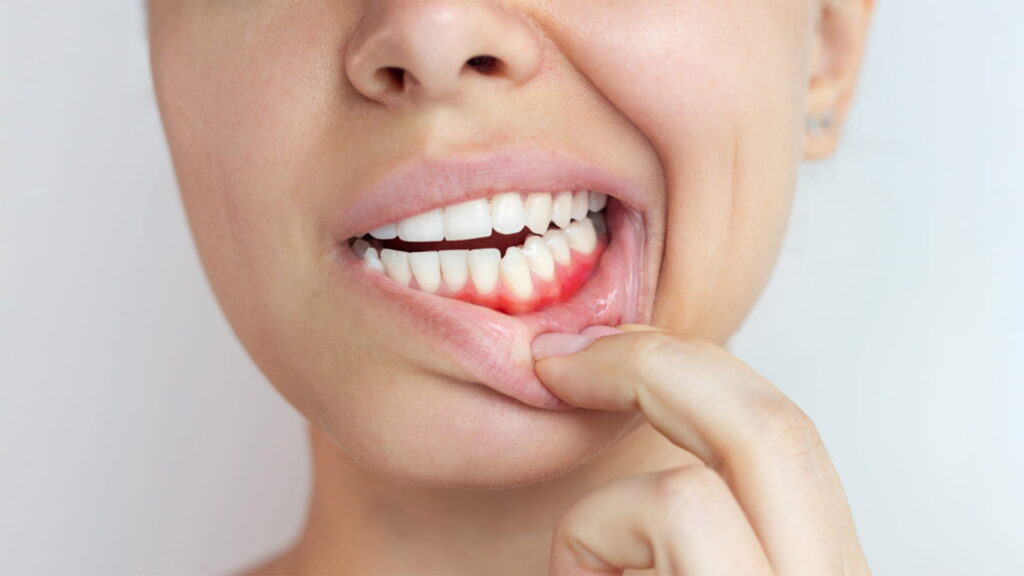
Gum disease often begins with mild inflammation that causes redness or bleeding during brushing. Because it is not always painful, many people ignore the early signs. Without treatment, gum disease can progress and affect the bone that supports the teeth, increasing the risk of tooth loss.
Preventing gum disease starts with good daily cleaning along the gumline and between the teeth. Smoking increases the risk significantly, as do certain medical conditions such as diabetes. Regular professional cleans are an important part of maintaining healthy gums and preventing long-term complications.
You should book a dental appointment if your gums bleed frequently, feel tender, or appear to be pulling away from the teeth. Professional treatments for gum disease are far more effective when started early and can help preserve both oral health and general health. Tooth Sensitivity and Enamel Wear
Tooth sensitivity is often caused by enamel wear, teeth grinding, or frequent exposure to acidic foods and drinks. When enamel becomes thin, the inner part of the tooth is more easily irritated, which can make eating and drinking uncomfortable.
Using a soft toothbrush, avoiding aggressive brushing, and waiting before brushing after acidic meals can help protect enamel. If you grind your teeth at night, a protective dental appliance may be recommended to reduce damage.
If sensitivity becomes sudden, severe, or affects your ability to eat comfortably, a dentist can determine the cause and recommend the most appropriate treatment.
Children’s Oral Health and Early Prevention

Children can develop dental problems early, often without clear symptoms. Preventive care plays a vital role in supporting healthy development and reducing anxiety around dental visits later in life. Early positive experiences help children feel more confident and relaxed about dental care.
Parents should encourage regular brushing from the moment teeth appear and supervise brushing through the early school years. Reducing sugary snacks and maintaining routine dental visits helps protect young teeth and gums as they grow.
A dental visit is recommended if a child complains of pain while eating, avoids chewing on one side, or shows visible changes in tooth colour.
Knowing When Not to Delay Dental Care
Many people avoid visiting the dentist due to fear, cost concerns, or the belief that discomfort will resolve on its own. In reality, dental issues rarely improve without professional care and often worsen over time.
You should see a dentist if you experience ongoing pain, swelling, bleeding gums, broken teeth, or persistent bad breath despite good oral hygiene. If you are searching for a dentist, choosing a local clinic can make regular care easier to maintain and less stressful.
Why Regular Dental Checkups Matter
Routine dental checkups allow early detection of problems that are not visible or painful yet. They also help prevent minor concerns from becoming major issues.
Preventing dental problems does not require perfection. It requires consistency, awareness, and timely professional care. Whether you are looking after your own oral health or your family’s dental needs, taking action early can reduce stress, discomfort, and future treatment costs.
If something feels unusual or concerning, it is always better to seek advice sooner rather than later.
If you have a doubt, a question, or something that just does not feel quite right, you are welcome to book an appointment with us. It is a simple process, and our clinic is close by for those living in Yarralumla, Deakin, and surrounding suburbs.